Tax Season Survival Guide for Owner-Operators: What You Need to Know
Tax season is the part of running a trucking business that most owner-operators either dread or underestimate. When you operate as an

Secrest Direct Inc. is an independent Landstar agent (DUV/RKY).
| Questions? 877-441-9128 | Contact | Application Login |
Home » Heavy Haul
Start here to review Heavy Haul and specialized freight information, equipment paths, load planning, qualification questions and application steps.
Secrest Direct Inc. is an independent Landstar agent (DUV/RKY). The agency helps owner-operators organize their questions and identify the current information that should be confirmed before moving forward.
Owner-operator business opportunity · Not a company-driver position · Questions? 877-441-9128
Jump directly to the information that matters most to your operation.
Choose the topic that matches your current question. Begin with the full Heavy Haul opportunity page, or go directly to freight, equipment, requirements or application information.
Review the work, business responsibilities and qualification questions involved in Heavy Haul and specialized freight.
See the general steps between your first information request, application and qualification review.
Learn how freight dimensions, weight, trailer configuration, deadhead, destination and route requirements affect load decisions.
Review tractor, trailer and specialized-equipment considerations before making a purchase or application decision.
Review current driver, safety, experience, tractor, insurance and operating requirements before applying.
Find answers about experience, equipment, specialized freight, load planning and next steps.
Heavy Haul decisions depend on more than owning a tractor. Your trailer access, equipment configuration, specialized hauling experience and freight goals can all affect which information you should review next.
Start with your current operation. Then identify the equipment and qualification details that still need to be confirmed.
Dimensions, weight, loading requirements, destination and route limitations can change the complexity of a specialized load.
Tractor configuration, trailer type, axle setup and securement equipment affect the freight you may be able to consider.
Revenue should be considered alongside deadhead, fuel, equipment costs, loading time and other trip-specific expenses.
Consider load dimensions, weight, equipment needs, deadhead, destination and route requirements.
Review your tractor, trailer access, specialized equipment and remaining equipment questions.
Compare your current operation with available safety, experience, tractor, insurance and qualification information.
Owner-operators enter specialized hauling from different equipment and experience positions. Choose the path closest to your current operation.

Flatbed or step-deck experience may provide a useful foundation, but Heavy Haul can add equipment, routing and qualification considerations.

This path may fit an experienced operator who already has a qualifying tractor and access to an appropriate trailer configuration.


Start with the page that answers your most immediate question. Return to this Hub as your research develops.
Review available driver, safety, experience, tractor and insurance information before beginning an application.
Use these questions to find the Heavy Haul resource that matches your current decision. Freight availability, equipment paths, requirements and program details can change, so confirm current information before making an equipment, business or application decision.
The Heavy Haul Hub helps you choose where to continue your research. It connects you with information about opportunities, specialized freight, equipment paths, requirements and application steps.
The Heavy Haul Careers page provides the full opportunity overview, operating-model information, detailed FAQs and information-request form.
Start with the equipment path that most closely matches your experience, tractor, trailer access and the type of freight you want to evaluate.
Heavy Haul may involve more specialized equipment and load planning. Flatbed involves open-deck freight and securement responsibilities. Dry Van focuses on enclosed-trailer freight. Use the main Driving Opportunities page to compare all three paths.
No. This Hub does not display live freight or guarantee that a particular load will be available.
Use the Heavy Haul Available Loads page to review load-board information and the factors owner-operators can consider when evaluating specialized freight. Actual availability depends on location, equipment, qualifications and current freight conditions.
Use the Heavy Haul Lease Options page to review equipment-related questions, including tractor status, trailer access and specialized-equipment paths.
Equipment availability, costs and qualification requirements can change. The page provides a starting point, but it does not guarantee a trailer, lease option or equipment program.
Gather the basic details that help explain your current operation:
Do not submit medical records, financial documents, driver-license images or other sensitive documents through the short information form.
Compare the freight details with your tractor, trailer configuration and available equipment before pursuing the load.
Important factors can include dimensions, weight, axle configuration, trailer type, securement needs, loading method, delivery access and route requirements. Final eligibility still depends on the current load details and qualification process.
The destination affects more than delivery mileage. It can influence route restrictions, delivery access, deadhead after unloading, operating costs and the possibility of finding suitable follow-up freight.
A stronger decision considers the complete trip instead of looking only at the posted gross rate.
Start with the freight you realistically plan to pursue. Then compare the equipment configuration, expected use, qualification requirements, maintenance responsibilities and total operating cost.
Do not choose a trailer or specialized-equipment path based only on a single load example. Review current tractor trailer truck lease information and ask how the equipment fits your longer-term business plan.
Explore recent articles about dry van freight, equipment, business planning, safety, and owner-operator decisions.

Tax season is the part of running a trucking business that most owner-operators either dread or underestimate. When you operate as an


There’s no shortage of advice on increasing rate per mile or negotiating better freight. But long-term success as an owner-operator isn’t just
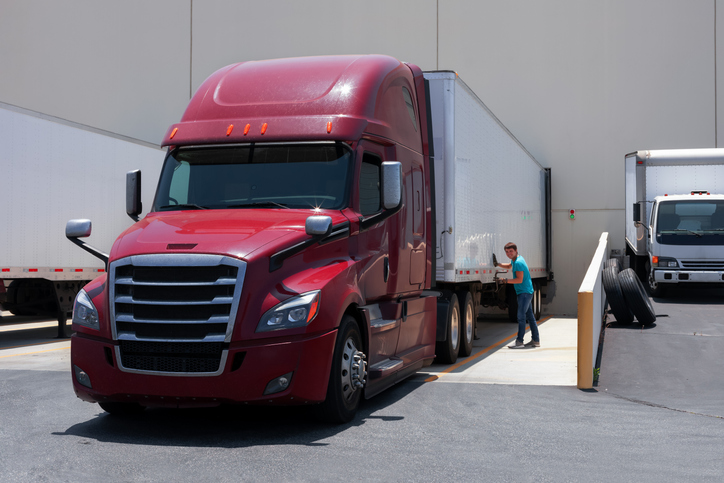
One of the biggest advantages of running under a non-forced dispatch company is simple: you choose your loads. But freedom without strategy
This section becomes a reusable cross-linking block on the Dry Van, Flatbed, and Heavy Haul hub templates.
Enclosed trailer information, freight planning, program details, equipment paths, and requirements.
Open-deck freight, securement expectations, equipment information, and current qualification details.
Heavy-haul and specialized equipment information for qualified owner-operators and operations.
You do not need to start the full application just to ask a question.