
Secrest Direct Inc. is an independent Landstar agent (DUV/RKY).
| Questions? 877-441-9128 | Contact | Application Login |
Home » Heavy Haul » Available Loads
Use Heavy Haul load information to compare specialized freight with your tractor, trailer configuration, equipment and current operating plan.
Heavy Haul loads can require more evaluation than standard truckload freight. Review dimensions, weight, equipment requirements, origin and destination, mileage, timing and the complete trip before deciding whether a load fits your operation.
Secrest Direct Inc. is an independent Landstar agent that helps owner-operators understand current information, requirements and possible next steps.
●●●
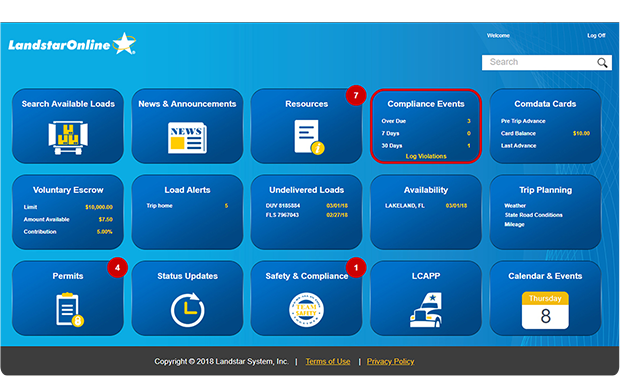
A specialized load can look attractive on the Load Board and still be the wrong fit for the tractor, trailer, route or operating plan.
Heavy Haul freight should be evaluated as a complete move, not by looking at one posted number.
Review the load dimensions, weight, pickup requirements, delivery instructions and any specialized loading or unloading considerations. A load that fits one Heavy Haul configuration may not fit another.
Consider loaded miles, deadhead, fuel, tolls, equipment costs, loading time and other trip-specific expenses before evaluating the business value of the load.
Review where the freight is going, how the destination affects the trip and where the truck and specialized equipment may be positioned afterward.
The Load Board can help owner-operators narrow available Heavy Haul and specialized freight by location, equipment requirements and other load criteria before deciding which loads deserve a closer look.
Start with the core information—origin, destination, mileage, weight and equipment type—then evaluate the complete move. Heavy Haul freight may require additional consideration because the size, weight and trailer configuration can change how the load must be planned.
Use the available information to answer practical questions:
The strongest Heavy Haul load decision considers the equipment, route and complete trip together, not simply the posted rate.
Heavy Haul Load Board information can help organize freight, equipment and route details before an owner-operator makes a load decision.
Review the tractor, trailer configuration and specialized equipment required for the freight.
Consider loaded miles, deadhead, fuel, tolls, equipment-related costs and the time involved in completing the move.
Gross load revenue by itself does not show the full business result.
Consider where the truck and specialized equipment will be positioned after delivery and what the destination may mean for the next suitable load.
The existing Heavy Haul page uses Load Board search criteria, saved alerts and mobile access as part of the freight-search process.
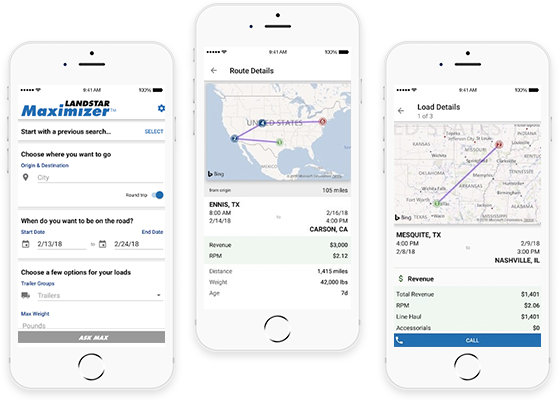
Search criteria can help narrow available freight to loads that are more relevant to your location, equipment and operating plan.
The existing Heavy Haul page identifies criteria such as:
These filters can make freight research more manageable, but a matching search result still needs to be reviewed against the complete load and equipment requirements.
The criteria above come directly from the existing Heavy Haul Available Loads page.
Finding a matching result is only the first step. The existing page identifies additional information that may be available when reviewing Load Board results.
That information has historically included:
For Heavy Haul freight, combine those details with the equipment, dimensions and trip-planning information needed to evaluate the complete move.
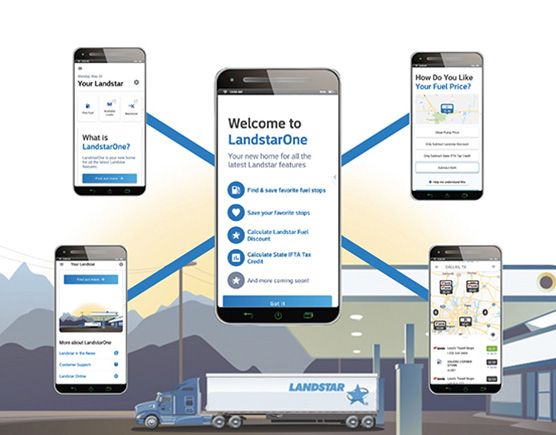

The existing Heavy Haul page explains that Load Alerts can be based on selected search criteria.
For Heavy Haul operators, alerts can help surface freight worth reviewing without repeatedly beginning the same search from scratch.
A matching alert should still be evaluated for:
An alert identifies freight to review—it does not determine that the load is automatically right for the operation.
These answers focus on evaluating specialized freight and Load Board information. Questions about becoming a Heavy Haul owner-operator, qualification and application steps belong on the Heavy Haul Opportunities page.
Start with the tractor, trailer configuration and equipment required for the freight.
Then review dimensions, weight, origin, destination, mileage, timing, loading or unloading requirements, deadhead and other available trip information.
The existing page references origin, destination, radius, number of stops, minimum or maximum miles, rate-per-mile, truck type and weight restrictions.
Current search options and terminology should be confirmed before launch.
Heavy Haul freight may require different trailer configurations depending on dimensions, weight and handling requirements.
Weight can affect whether the freight matches the tractor, trailer and equipment configuration available to an operator.
It should be reviewed together with dimensions and other load requirements rather than treated as an isolated filter.
Deadhead adds mileage, time and operating expense before or after the loaded move.
A complete freight review should include deadhead to pickup and the likely positioning needed after delivery.
The existing page describes Load Alerts based on selected search criteria.
They can help identify freight worth reviewing, but each result still needs to be evaluated for equipment fit and the complete trip.
Use the dedicated Heavy Haul Careers page for operating-model, qualification and application information.
Secrest Direct can help you locate current Heavy Haul opportunity, equipment, requirements and application-process information.
Owner-operators operate independent businesses and should review current freight, equipment and qualification information before making a business decision.
Submitting an information request or application does not guarantee qualification, freight availability, equipment access, approval, earnings or business results.