
Secrest Direct Inc. is an independent Landstar agent (DUV/RKY).
| Questions? 877-441-9128 | Contact | Application Login |
Owner-operator compensation is about more than a cents-per-mile number. The complete picture includes percentage-based freight compensation, the loads you choose, fuel and applicable accessorial terms, equipment arrangements, settlement deductions, deadhead, operating expenses, and the tools available to help you run the business.
Under a non-forced dispatch model, owner-operators can evaluate available freight and decide which loads fit their operation. That means compensation, freight selection, operating costs, where the truck goes next, and time at home are connected business decisions.
There isn’t one universal owner-operator salary or pay-per-mile figure.
For owner-operators leased to Landstar, compensation is structured around an applicable percentage of freight revenue, with the exact terms depending on the current program and equipment arrangement.
A company driver may compare positions using a fixed cents-per-mile rate. An owner-operator is running a business. The more useful question is:
What revenue does the load generate, what portion applies to my business, and what will it cost me to complete the load?
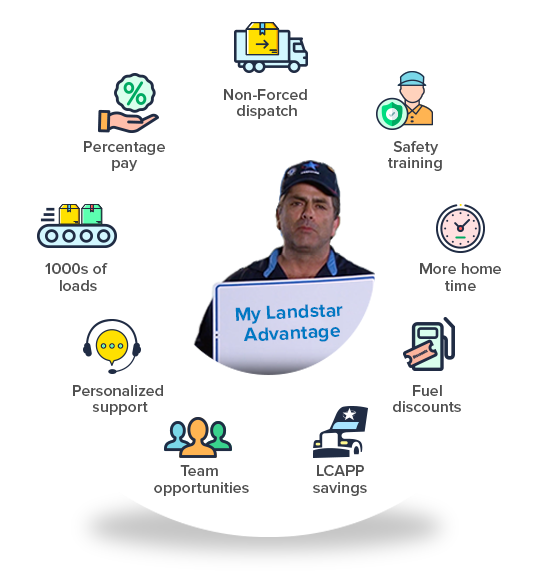
Search for owner-operator pay and you’ll find plenty of cents-per-mile averages. Those numbers can be useful, but they can also create a misleading comparison.
A company driver’s cents-per-mile rate is typically compensation for driving. Many of the major truck and equipment expenses remain with the carrier.
An owner-operator has to account for fuel, maintenance, tires, insurance, equipment payments, deadhead, tolls, permits, taxes and other business expenses.
Don’t stop at the advertised percentage or estimated rate per mile. Look at the complete business arrangement.
Under non-forced dispatch, the owner-operator evaluates available freight and decides which loads make sense for the business rather than simply receiving an assigned load.
Does the freight revenue make sense for the complete trip?
Where will the load leave your truck, and what may be available next?
How many non-revenue miles are required before or after the load?
Does the freight fit the trailer and equipment you’re operating?
Does the load fit where, when and how you want to operate?
Freedom doesn’t eliminate the need to make careful decisions. It makes those decisions your responsibility as the business owner.
Owner-operator results are built from a series of connected business decisions. This six-step flow keeps the focus on the complete trip instead of one headline number.
Two loads covering similar miles can produce different business results based on lane, freight, equipment, timing, customer requirements and current market.
Current terms may vary by equipment and trailer arrangement. Confirm the terms that actually apply to your operation rather than relying on an old percentage found online.
Fuel-related compensation, eligible accessorial charges and available advance options can affect how a load and settlement should be evaluated. Confirm current availability and treatment.
Consider the miles required to reach the freight, where the load finishes, fuel consumption, tolls, maintenance, equipment costs and the next freight opportunity.
Where the truck finishes can influence the next load, the amount of repositioning required and whether the trip fits your preferred operating area or plans for time at home.
The number that matters most isn’t simply the rate displayed on the load. It’s what remains after the costs of running your business.
There isn’t a responsible one-number answer.
Owner-operator earnings can change from week to week because the business itself changes from week to week. Longer miles may increase gross revenue but also fuel expense. A higher-rate load may involve more deadhead. Specialized freight can involve different revenue opportunities and different operating costs.
Even two owner-operators running similar trucks can produce very different results because they may select different freight, run different lanes, carry different equipment costs, manage deadhead differently and make different decisions about when and where they operate.
Review the current compensation terms + freight-selection flexibility + operating expenses + available business tools + your own business plan.
Loads influence revenue, destination, deadhead and the next freight opportunity.
Owning, leasing or using different trailer equipment can change compensation terms and costs.
Non-revenue miles still consume fuel, time, maintenance and equipment life.
Fuel efficiency, equipment payments, maintenance, insurance and tires shape the amount the business keeps.
Rates and available freight vary by market, lane, equipment, season and customer demand.
Where you operate, which loads you accept and how you manage expenses all affect the result.
One of the most important differences in a non-forced dispatch model is that the owner-operator can evaluate available freight and decide what fits the business.
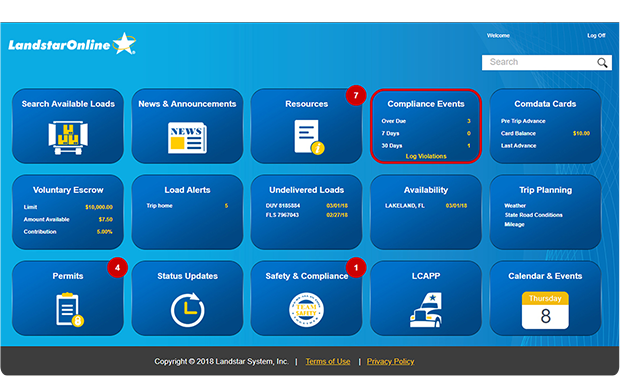
Existing load-board visual reused from the current site. Final publication should use an approved current interface image.
Owner-operators don’t make freight decisions from a single number. Access to current load information and search tools can make it easier to compare opportunities before committing the truck.
Review available freight based on criteria relevant to your operation.
Save frequently used search criteria instead of rebuilding the same search each time.
Receive notifications when freight matching selected criteria becomes available.
Review freight information away from a desktop when current mobile tools are available to the account.
Training or demonstrations may help eligible owner-operators understand the current Load Board and related revenue tools.
Gross settlement isn’t the same thing as take-home income or business profit. Before making an earnings comparison, understand the current answers to these questions.
Confirm the compensation arrangement that applies to your equipment and operation.
Settlement schedules and documentation requirements should be confirmed using current program information.
Understand how any applicable fuel-related compensation is calculated and shown.
If advances are available, understand eligibility, how they are issued and how they appear on settlement.
Confirm treatment of applicable detention, stops, tarping or other load-specific charges.
Review trailer, equipment, communication or other program-related costs that may apply.
Know which costs are the owner-operator’s responsibility and how they are paid or deducted.
Understand any optional services, purchasing programs or other costs that may appear through settlement.
Your truck is a business asset, and the business has expenses whether the wheels are turning or not. Knowing your own cost per mile gives you a much better way to evaluate freight.
Fuel, maintenance, tires, tolls, repairs, fluids and other trip-related expenses generally increase as the truck runs more miles.
Truck or equipment payments, insurance, licenses, accounting, technology and other overhead can continue regardless of the number of loads hauled.
Major repairs, emissions work, tire replacement, downtime, deductibles and equipment replacement can be easy to overlook because they don’t happen every week.
Owner-operator earnings aren’t determined only by revenue. Operating costs matter just as much.
One important resource is the Landstar Contractors’ Advantage Purchasing Program (LCAPP). Current programs, names, eligibility and terms can change, so they should be confirmed before being included in an earnings projection.
Purchasing and cost-management programs don’t change the basic compensation model. They address the other side of the owner-operator equation: what it costs to operate the business.

Running as an owner-operator means making your own business decisions. It doesn’t mean every decision has to be made without resources or support.
Current education and safety resources can help owner-operators understand operating expectations, available tools and business considerations.
The onboarding process can introduce qualified owner-operators to current safety information, operating systems, revenue tools and program procedures.
Learning how to search freight, use filters, review load information and configure alerts can support better-informed load decisions.
Secrest Direct can help prospective owner-operators understand where to find the appropriate current information during qualification.
You remain responsible for your business decisions. The available tools and support can help you make those decisions with better information.
A planning calculator can help compare loads only when the inputs reflect the terms that actually apply to your business. This calculator intentionally does not hard-code a compensation percentage.
Planning tool only. It does not predict or guarantee settlement amounts, freight rates, revenue, income, profitability or business results. Confirm current compensation and program terms before relying on any estimate.
The difference goes beyond compensation. These are fundamentally different ways of working in trucking.
Compensation may be tied to freight revenue
Owner-operator is responsible for business expenses
Owner-operator owns or leases qualifying equipment
Load selection may be part of the independent business model
Gross revenue, expenses and business profit all matter
Use the supporting pages below to move from compensation into freight planning, equipment, insurance, requirements and the formal application process.
Understand how freight search, load selection, destination, deadhead and available planning tools connect to the business.
See how dry van freight criteria, filters and load planning fit the equipment path.
Understand why trailer decisions can affect both compensation and expenses.
Review insurance information and the types of coverage that may affect operating expenses.
Learn about current purchasing programs that may help eligible owner-operators manage certain business costs.
Check current driver, tractor, documentation and qualification requirements before starting the formal process.
These are general informational answers. Requirements, availability, compensation, and program details can change. Confirm current terms during the qualification process.
A single average can be misleading. Owner-operator results depend on freight revenue, loaded and deadhead miles, equipment, fuel, maintenance, insurance, operating costs and other business decisions. Revenue per total mile and cost per mile are generally more useful planning figures than an industry-wide average.
Equipment and trailer arrangements can affect current compensation terms as well as operating costs. Owning more equipment can mean assuming more expenses and responsibilities. Confirm the current terms for your specific equipment before comparing options.
Request owner-operator information, review current requirements, or call Secrest Direct with a practical question about your equipment.