
Secrest Direct Inc. is an independent Landstar agent (DUV/RKY).

FLATBED FREIGHT PLANNING

Available Flatbed Loads and Freight Planning

Find and evaluate flatbed loads by comparing the freight with your trailer, equipment, route and current operating plan.

Flatbed freight can add questions that do not apply the same way to enclosed-trailer freight. Review dimensions, weight, trailer type, loading requirements, securement needs, pickup and delivery timing, deadhead and the next freight market before making a decision.

Secrest Direct Inc. is an independent Landstar agent that helps owner-operators understand current information, requirements and possible next steps.

Freight availability, rates, lanes, equipment requirements and program details can change. No load, mileage, revenue, schedule or business result is guaranteed.

●●●

Dry Van Load Board

Existing page visual — verify current interface
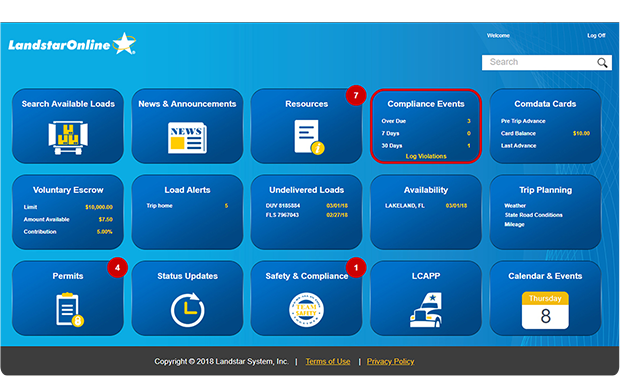
LandstarOnline load board overview from the existing Dry Van Available Loads page

Before You Consider a Load

Evaluate the Complete Flatbed Freight Opportunity

A flatbed load may look attractive at first glance and still be a poor match for the trailer, equipment, route or time required to complete the trip. Review the complete freight opportunity before deciding whether it fits your operation.

Trailer and Equipment Fit

Confirm that the trailer type, freight dimensions, weight, loading method and equipment requirements match what your operation is prepared to handle.

Securement and Freight Protection

Review load-specific securement, tarping, protection and inspection requirements. The equipment and time involved can vary significantly by commodity and load.

Complete Trip Economics

Consider loaded miles, deadhead, fuel, tolls, loading time, equipment costs and other operating expenses rather than evaluating the gross amount alone.

Destination and Next Market

Review the delivery location, route, facility access and where the truck may be positioned for the next suitable flatbed opportunity.
The requirements associated with a specific load should always be confirmed using current freight and operating information.
FLATBED LOAD SEARCH

See How Flatbed Load Search and Freight Planning Work Together

The Load Board can help owner-operators narrow available Flatbed freight by location, route and equipment needs before deciding which loads are worth a closer look.

Start with the basics—origin, destination, mileage, weight and trailer requirements—then compare the complete trip. Flatbed freight may also require additional planning for securement, tarping, loading methods, delivery access and the time needed to prepare and inspect the load.

Use the available load information to answer practical questions such as:

  • Does the freight match your trailer and equipment?
  • How much deadhead is involved before pickup?
  • What securement or freight-protection equipment may be needed?
  • Does the pickup and delivery schedule fit the available operating time?
  • Where will the truck be positioned after delivery?


The strongest Flatbed load decision considers the entire trip and equipment fit, not just one posted rate or mileage figure.
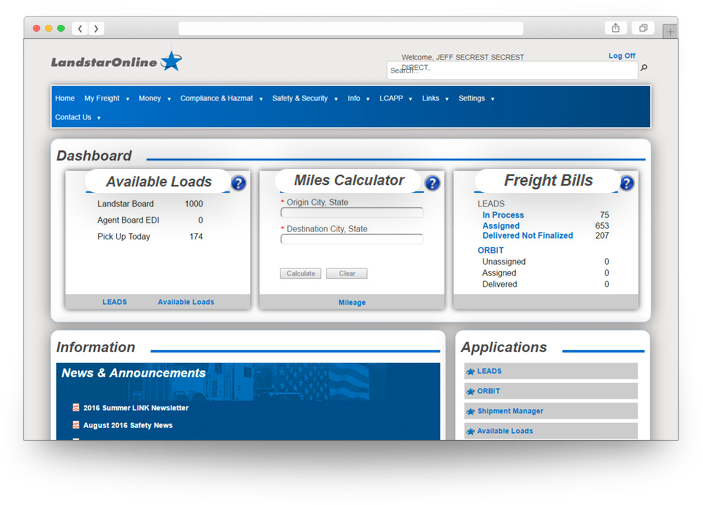
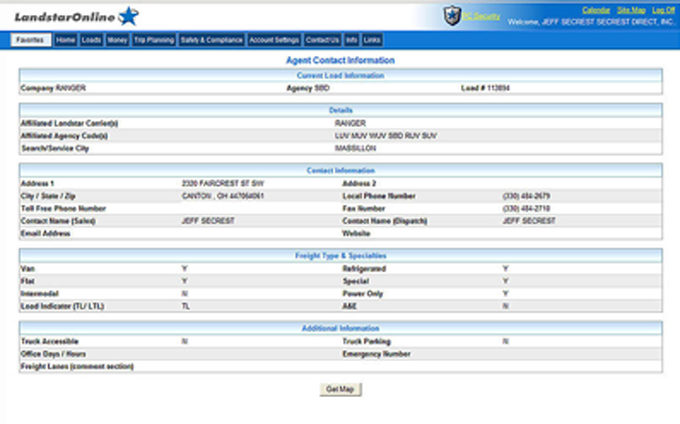
See How Flatbed Load Search and Freight Planning Work Together
A PRACTICAL FLATBED LOAD REVIEW

How to Evaluate an Available Flatbed Load

Use these five questions to organize the most important information before making a freight decision.
1

Confirm Trailer and Equipment Fit

Review the trailer type, configuration and equipment required for the freight. A load that works for one Flatbed setup may not fit another.
2

Review the Freight Details

Check the commodity, weight, dimensions, pickup requirements, delivery instructions and any special handling considerations.
3

Check Securement Requirements

Identify the straps, chains, binders, tarps, edge protection or other equipment the freight may require, along with the time needed to secure and inspect it.
4

Estimate the Complete Trip

Include loaded miles, deadhead, fuel, tolls, loading or unloading time and other costs that may affect the trip.
5

Compare the Destination

Consider the delivery location, route, access restrictions and the likelihood of finding suitable freight for the next move.
LOAD BOARD, MOBILE APP AND ALERTS

Use Digital Tools to Search, Plan and Watch for Matching Flatbed Freight

The existing Flatbed page highlights load-board search tools, mobile access and Load Alerts. The updated page keeps those useful concepts while focusing them specifically on Flatbed freight decisions.
Flatbed Load Board
NARROW THE FREIGHT YOU REVIEW

Compare Flatbed Loads Using Relevant Search Criteria

Saved criteria can help narrow a large group of available freight to the loads that are more relevant to your equipment, location and operating plan.

The existing page identifies search criteria such as:

  • Origin
  • Destination
    Radius
  • Number of stops
  • Minimum or maximum miles
    Rate-per-mile
  • Truck or equipment type
  • Weight restrictions


Those criteria should help organize the search—not replace review of the complete load.

MOBILE LOAD INFORMATION

Review Flatbed Freight Information from a Mobile Device

The existing page states that load-board information can be accessed through a mobile application in addition to online tools.

Mobile access can make it easier to review load information away from a desktop, but the same Flatbed questions still apply: Does the freight fit the trailer? What equipment is required? How does the route fit the business plan?
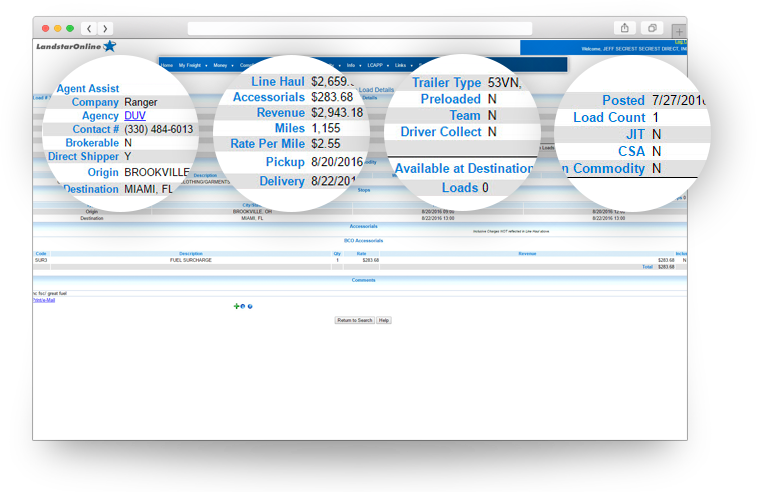

  • Review available freight information from a mobile device
  • Compare origin, destination and load details
  • Check equipment and trailer requirements
  • Continue trip planning while away from a desktop
Flatbed Freight Information from a Mobile Device

Blue load alert communication icon used on the existing Dry Van Available Loads page

FLATBED LOAD ALERTS

Use Saved Searches and Alerts to Watch for Matching Flatbed Freight

The existing page describes Load Alerts that use saved search criteria to surface freight that matches the operator’s preferences.

For a Flatbed operation, that may help narrow the search, but every matching result still needs to be reviewed for equipment fit, dimensions, weight, securement requirements, timing and route.

  • Save criteria for the freight you want to review
  • Watch for matching load information
  • Compare the result against your equipment and operating plan
  • Reevaluate the next market after each delivery
FLATBED LOAD QUESTIONS

Questions About Available Flatbed Loads

These answers focus on evaluating Flatbed freight. Questions about qualification, career fit and the application process are covered on the Flatbed Opportunities page.

Start with trailer and equipment fit. Then review the commodity, dimensions, weight, securement requirements, pickup and delivery timing, deadhead, route and destination.

The complete trip matters more than any single number.

Securement and freight protection can add equipment requirements, physical work and time to the trip. Those factors should be considered along with route, mileage and operating costs.
Deadhead adds mileage, time and expense without loaded freight. Consider both deadhead to pickup and the likely repositioning needed after delivery.

Use the Flatbed Careers page for opportunity, equipment-fit and qualification questions.

CONTINUE YOUR RESEARCH

Review the Information That Supports Your Next Decision

Flatbed Opportunities

Review the Flatbed operating model, responsibilities and current information for owner-operators evaluating this equipment path.

Flatbed Equipment and Lease Options

Review tractor, trailer and equipment information before making an equipment decision.

Owner-Operator Requirements

Review current qualification categories and documentation considerations before beginning the formal process.

Get the Current Information Before You Make Your Next Decision

Secrest Direct can help you locate current Flatbed opportunity, equipment, requirements and application-process information.

Owner-operators operate independent businesses and should review current information before making an equipment, freight or application decision.

Submitting an information request or application does not guarantee qualification, freight availability, approval, earnings or business results.