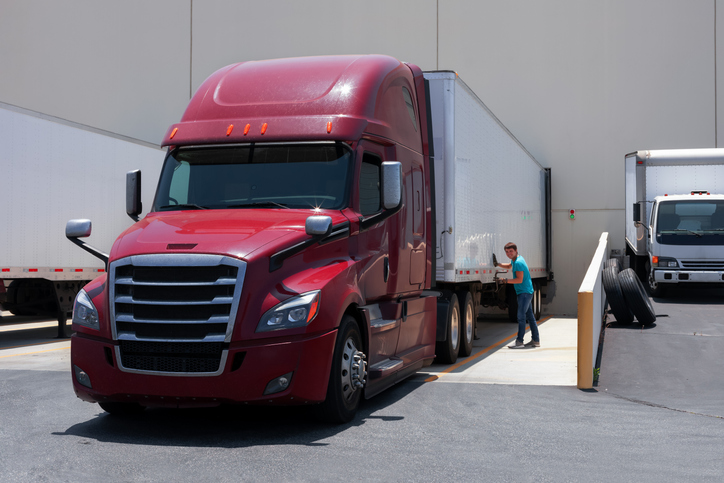
Owner-operators in the trucking industry could be greatly affected by the launch and acceptance of autonomous trucks. Owner-operators often work as independent contractors or as small fleet owners. They could be impacted in the following ways:
Job Relocation: The primary concern for owner-operators is the possibility of job relocation. The market for human truck drivers could decrease because of autonomous vehicles, which could lead to fewer clients for owner-operators who depend on driving as their main source of income.
Competition: Larger trucking companies could gain an advantage regarding effectiveness and cost savings by applying autonomous technology. Owner-operators can experience pressure to compete with businesses with access to more advanced and affordable autonomous technology.
Technology Costs: Owner-operators wishing to stay competitive may be tempted to invest in autonomous technology. However, the initial expenses of buying and putting autonomous systems in place can be high, resulting in financial burdens.
Lower Labor Costs: Larger trucking companies can reduce labor expenses by using autonomous trucks, which could lower hauling service prices. Owner-operators’ revenue could be affected since they may be obliged to accept a lower rate to compete.
Safety and Insurance: The introduction of autonomous trucks is expected to increase safety by lowering accidents caused by human mistakes. Yet, it is also possible that this will affect insurance expenses. Owner-operators might encounter changes in insurance premiums, which could impact their overall costs.
Law Changes: New laws and standards will be required with autonomous trucks. Owner-operators could have to adjust to these new laws and requirements, resulting in extra expenses and paperwork.
Job Role Shifts: Even though some driving tasks can be automated, there will likely be a need for monitoring and human involvement. Owner-operators could find employment opportunities to manage and oversee autonomous truck operations and carry out manual labor.
The Unknown: Different areas have adopted autonomous trucks at different stages, and the technology is constantly developing. Owner-operators can experience confusion over the scope and timing of these changes in their specific industry.
In summary, the effects of autonomous trucks on owner-operators are difficult and wide-ranging. Owner-operators might be able to adapt and fill new roles within the growing trucking business regardless of the possible challenges and disruptions. This will depend on several factors, such as the rate of advancement in technology and how owner-operators choose to adapt to the changes.

Tax Season Survival Guide for Owner-Operators: What You Need to Know
Tax season is the part of running a trucking business that most owner-operators either dread or underestimate. When

Life on the Road: How Experienced Owner-Operators Stay Healthy, Focused, and Strong
There’s no shortage of advice on increasing rate per mile or negotiating better freight. But long-term success as

How to Choose the Right Loads as an Owner-Operator (Without Getting Burned)
One of the biggest advantages of running under a non-forced dispatch company is simple: you choose your loads.